.png)

OPP Tape vs. PVC Tape: A Comprehensive Technical Guide for Procurement
Share On
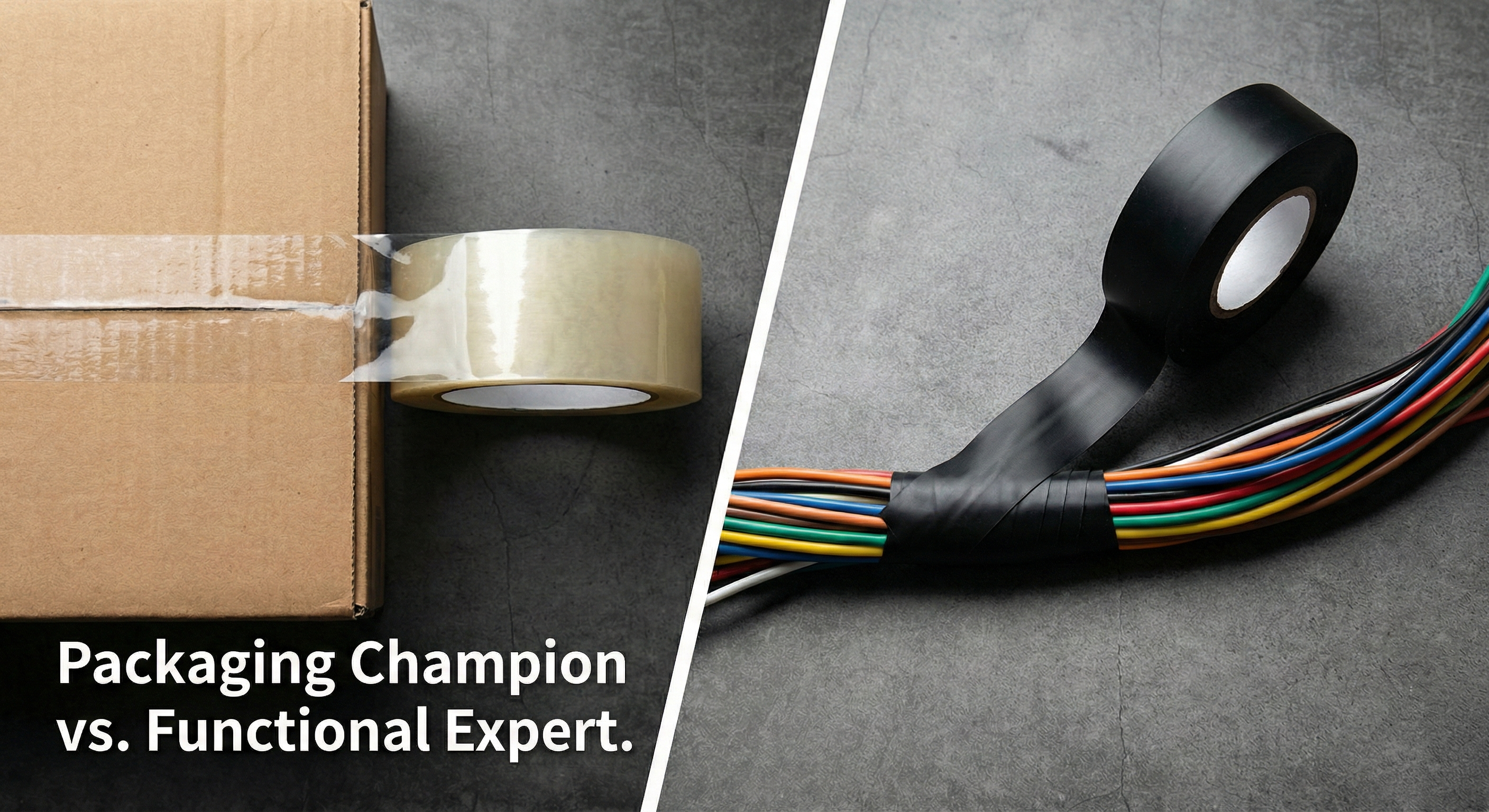
1. What is OPP Tape? (The Mainstream Standard for Packaging)
OPP tape (Oriented Polypropylene), also known as BOPP tape, uses biaxially oriented polypropylene film as its backing material. Its characteristics include high tensile strength, lightweight construction, and low cost, making it the standard configuration for global logistics carton sealing.Critical Technology: Adhesive Type Differences
OPP tape performance depends on adhesive formulation—this is the detail B2B procurement must pay closest attention to:
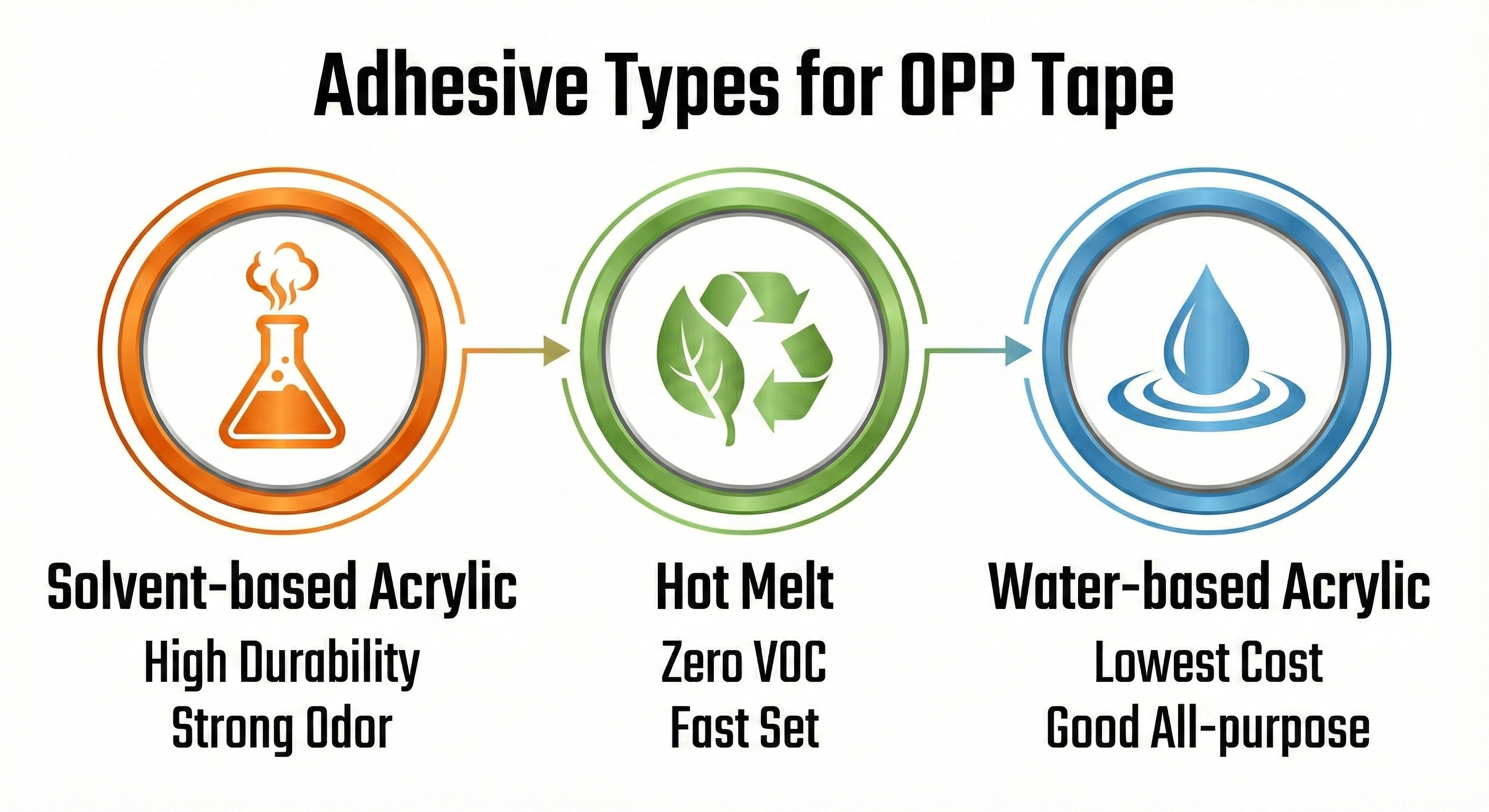
- Solvent-based Acrylic Adhesive:
- Characteristics: Extremely strong initial tack, excellent weathering resistance, suitable for long-term storage and heavy-duty packaging.
- Drawbacks: Contains organic solvents (VOCs), noticeable odor, does not align with modern environmental compliance trends.
- Hot Melt Adhesive:
- Characteristics: 100% solid composition with no solvents, environmentally friendly and odorless, fast initial bonding response (Quick Stick).
- Trend: While performance under extreme high temperatures is slightly inferior to solvent-based adhesives, hot melt has become the preferred choice for European and American exports and green supply chains.
- Water-based Acrylic Adhesive:
- Characteristics: Lowest cost, environmentally friendly.
- Limitations: Weaker adhesion, suitable only for office or light-duty packaging applications.
2. What is PVC Tape? (The Versatile Professional Choice)
Core Advantages
- Physical Performance: High elongation at break (reaching 150-200%), excellent puncture resistance.
- Operational Experience: Silent unwinding during removal, and the surface can be written on.
- Specialized Functions: Possesses insulation, flame retardancy, and acid-alkali resistance properties, making it indispensable for electrical work and heavy industry.
3. In-Depth Technical Specifications and Performance Comparison
| Comparison Factor | OPP Tape (BOPP) | PVC Tape |
|---|---|---|
| Backing Characteristics | Rigid, extremely high transparency, strong tensile strength | Soft, matte finish, exceptional elongation |
| Tear Resistance | Strong lengthwise, but easily tears from edge cuts | Strong tear resistance, does not easily tear even with cuts |
| Handling | Requires dispenser, loud tearing sound | Hand-tearable, quiet and smooth removal |
| Functional Attributes | Carton sealing only | Insulation, marking, protection |
| Electrical Insulation | None (prone to static electricity) | Excellent (must comply with UL/VDE certification) |
| Temperature Range | -10°C to 60°C | -18°C to 105°C (depending on grade) |
| Relative Cost | Economical (💰) | Premium (💰💰💰) |
4. Procurement Decision Model: How to Choose the Optimal Solution
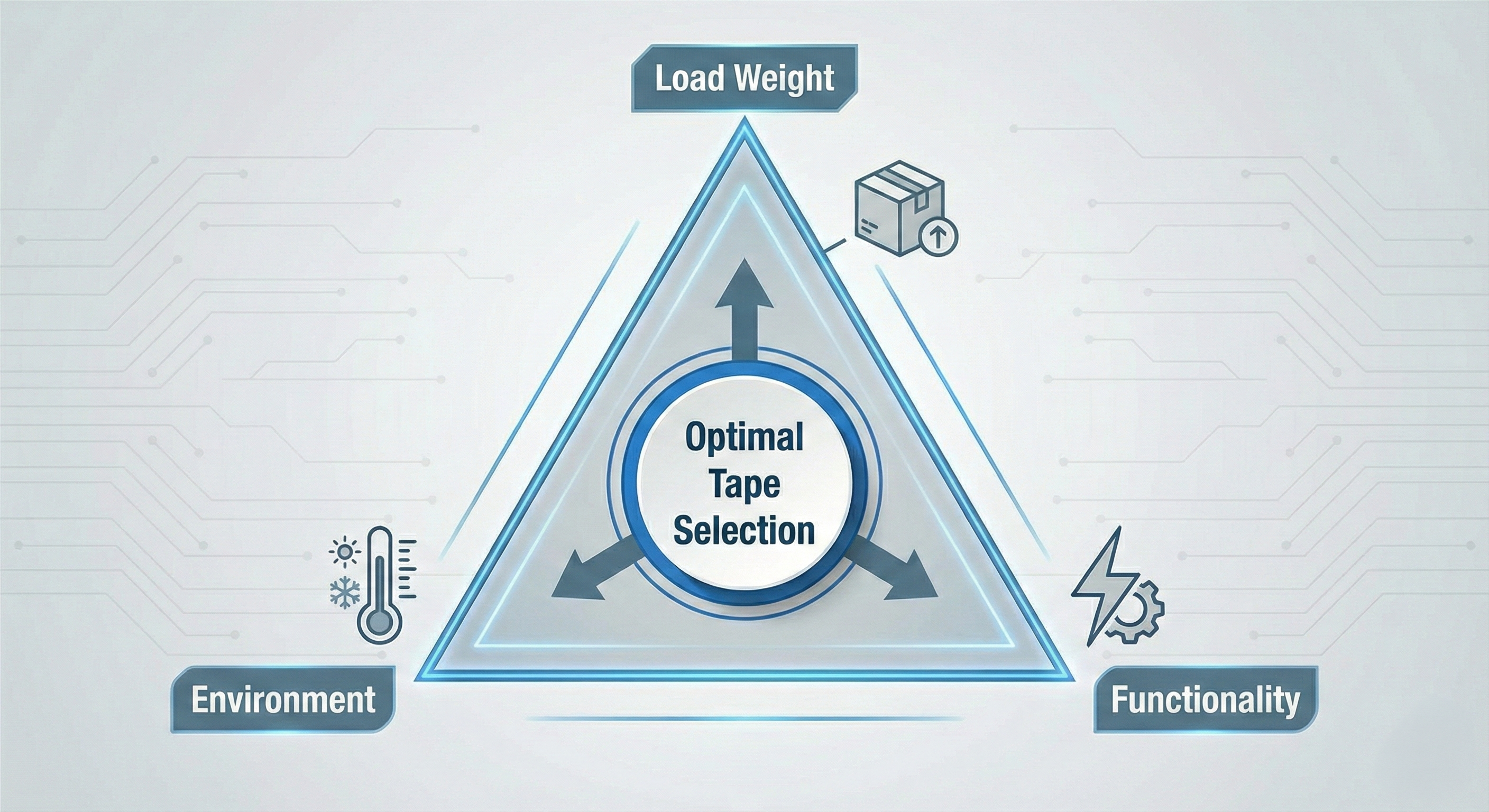
- Based on Package Weight (Load Weight)
- Light to Medium Weight (< 15kg): Recommended: OPP hot melt tape. 45-50 micron thickness satisfies e-commerce logistics requirements with the highest cost-effectiveness.
- Heavy Duty (> 15kg) or Export Containers: Recommended: OPP solvent-based tape. Select 60 micron thickness or greater to ensure long-distance transportation without box failure.
- Extra Heavy or Irregular Metal Components: Recommended: PVC tape or use in combination with strapping bands. PVC's elongation effectively wraps sharp edges without tearing.
- Based on Operating Environment
- General Warehousing: OPP hot melt tape is the optimal solution.
- Cold Chain Logistics (-5°C and below): Must use specially formulated low-temperature resistant OPP solvent-based tape or PVC tape. Standard water-based or hot melt adhesives will become brittle and lose adhesion in cold temperatures.
- Outdoor Exposure: PVC tape has superior UV resistance compared to OPP, suitable for outdoor applications such as pipe wrapping.
- Based on Special Functionality
- Electrical Engineering: Using OPP tape is absolutely prohibited. Must procure UL/VDE certified PVC electrical insulation tape to prevent electric shock and fire hazards.
- Color Management (5S): PVC tape offers multiple colors, commonly used for factory floor marking and pipeline identification.
5. Industry Application Scenario Analysis
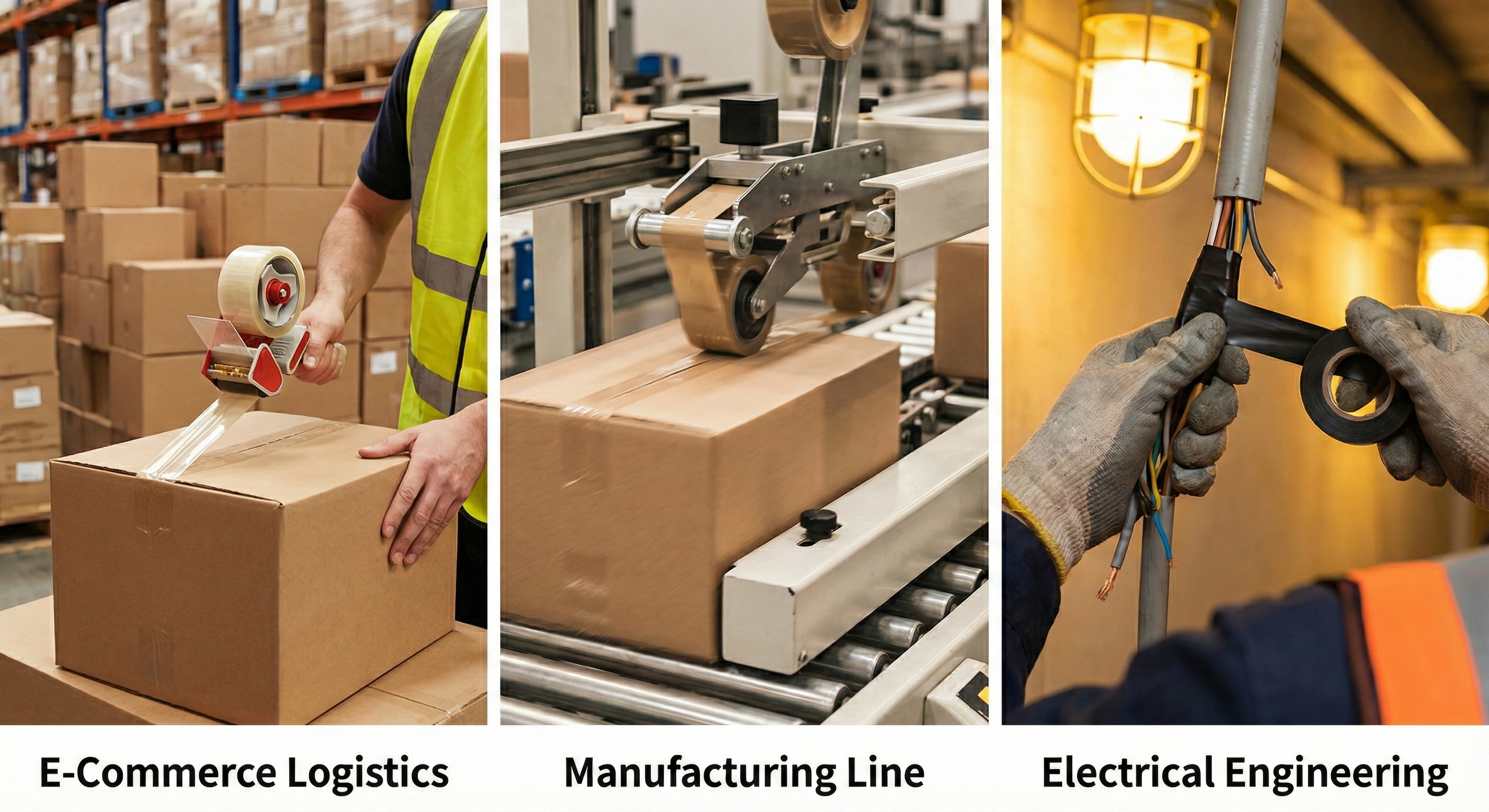
Scenario A: E-commerce and Retail Logistics
E-commerce prioritizes speed and cost control. Hot melt tape has strong initial tack, enabling rapid bonding of recycled cardboard boxes while aligning with ESG environmental trends. For premium packaging, high-transparency specifications or brand LOGO printing options are available.
Scenario B: Manufacturing Automated Production Lines
Automated case sealers operate at high speeds—the superior holding power of solvent-based adhesive ensures stability during high-speed machine operation. Purchasing 1000-meter or larger rolls is recommended to minimize production downtime from roll changes.
Scenario C: Automotive and Electronics Assembly
Used for wire harnessing and masking protection. Special attention must be paid to compliance with automotive manufacturers' low-VOC requirements and chemical resistance specifications.
6. Market Trends: Transitioning from Solvent-based to Eco-friendly Hot Melt
With increasing pressure from EU REACH regulations and global carbon reduction initiatives, traditional "solvent-based acrylic OPP tape" faces transformation pressures.
- Current Status: Many enterprises still prefer solvent-based adhesive, believing it offers the strongest adhesion.
- Trend: New generation modified hot melt adhesives are approaching solvent-based performance while eliminating solvent emissions.
- Recommendation: Enterprises should begin testing hot melt tape alternatives. Although unit costs may increase by 5-10%, this avoids environmental compliance risks and enhances corporate green credentials.
7. Procurement and Quality Inspection Guidelines
When screening suppliers, beyond price per roll, greater attention should be paid to "accurate meterage" and "performance consistency."3-Step Simple Acceptance Procedure:
- Visual Inspection: Observe the tape roll from the side—no air bubbles, no gapping, and flat cut edges indicate quality slitting craftsmanship.
- Transparency Test (OPP): Overlap multiple layers of pulled tape; premium OPP should maintain crystal clarity, while inferior products will appear hazy or yellowed.
- Residue Test: Adhere to steel plate or cardboard for 24 hours then remove, checking for adhesive transfer or residue.
Conclusion
OPP tape is the cost-effectiveness champion for carton sealing, while PVC tape is the specialist for functional applications.
Intelligent procurement strategy is not about pursuing the lowest price, but rather "right material for right application." For the vast majority of logistics needs, transitioning to OPP hot melt tape represents the optimal path balancing cost and environmental responsibility. When electrical safety, specialized protection, or critical applications are involved, high-quality PVC tape becomes a non-negotiable investment.
This article aims to provide professional B2B procurement guidance. For specific technical data sheets (TDS) or sample testing, please contact your professional tape supplier. Click me for inquiry


1.png)
